
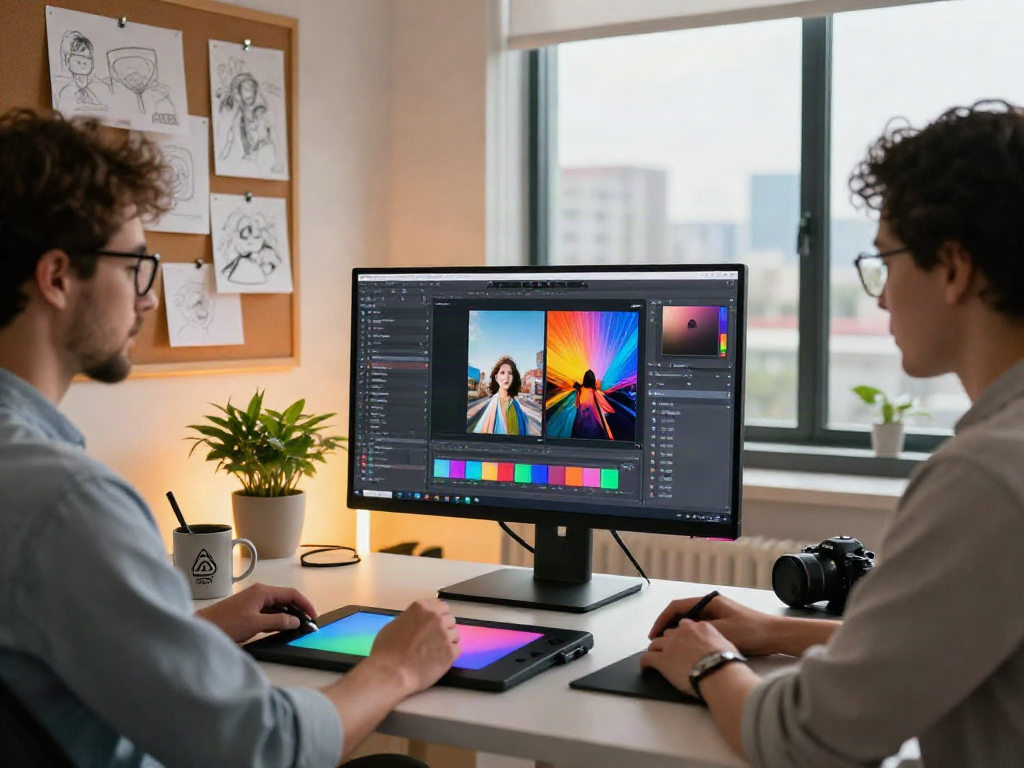
Understanding the Benefits of AI Photo Editors
In today's digital landscape, the rise of ai photo editor marks a transformative shift in how creatives approach their work. These advanced tools harness the power of artificial intelligence to streamline photo editing, making it more accessible and efficient than ever before. From professional photographers to casual users, AI photo editing software offers numerous benefits, including enhanced creativity, greater efficiency, and the ability to achieve stunning results without extensive technical knowledge.
What is an AI Photo Editor and How Does it Work?
An AI photo editor is a software tool that utilizes artificial intelligence algorithms to enhance images and facilitate editing processes. Unlike traditional photo editors, which require users to manually adjust various parameters—such as brightness, contrast, and saturation—AI photo editors automatically analyze an image and suggest enhancements based on its unique features. This is achieved through techniques like deep learning and neural networks, which allow the software to understand the context of images, recognize patterns, and make intelligent adjustments that mimic professional editing. By leveraging these advanced technologies, users can significantly reduce editing time while maintaining high-quality results.
Key Features That Transform Digital Art Creation
AI photo editors come equipped with a variety of features that focus on enhancing the user experience and the quality of the final output. Some of the most significant features include:
- Automated Enhancements: These tools can automatically adjust exposure, color balance, and sharpness, making it easier for users to create visually appealing images without the need for manual adjustments.
- Smart Object Removal: AI algorithms can intelligently remove unwanted objects from a scene, seamlessly filling in backgrounds and making edits look natural.
- Style Transfer: This feature allows users to apply artistic styles from one image to another, enabling unique creative expressions.
- Facial Recognition: Some AI photo editors utilize facial recognition technology to enhance portraits specifically, adjusting skin tones, lighting, and sharpness for optimal results.
Comparing Traditional vs. AI-Driven Editing Techniques
While traditional photo editing requires a deep understanding of photography principles and technical skills, AI-driven editing simplifies the process. For instance, a traditional editor might spend hours working on color grading, while an AI editor can complete the same task in seconds. Additionally, traditional techniques often depend on the user's subjective judgment, whereas AI tools make decisions based on data-driven insights, potentially leading to objectively better outcomes.
Common Challenges in Digital Editing Solutions
Despite the multitude of benefits offered by AI photo editors, several challenges persist that can inhibit their adoption among users.
Overcoming Learning Curves with AI Tools
One of the key obstacles for creatives is the learning curve associated with new software. While many AI photo editors are designed to be intuitive, they still come with unique features and functionalities that can be overwhelming for new users. Investing time in tutorials and practical exercises can greatly assist in overcoming these hurdles, allowing users to harness the full potential of the software.
Addressing User Concerns About Automation in Creativity
Some creatives harbor fears that automation threatens their artistic integrity. It is essential to recognize that AI photo editors serve as tools to enhance creativity rather than replace it. They empower users to experiment and push boundaries, making it vital for artists to embrace these technologies as part of their creative arsenal.
Ensuring Compatibility with Existing Software Workflows
Another concern involves the integration of AI photo editors with existing workflows and software. Many users rely on specific programs for their projects, and the ability to seamlessly incorporate AI tools is critical. Ensuring compatibility with common file formats and offering plugins or exports for traditional software can help alleviate these integration issues.
Best Practices for Integrating AI Photo Editing into Your Workflow
To fully leverage the advantages of AI photo editors, users should adopt best practices for integrating these tools into their existing workflows.
Step-by-Step Guide to Setting Up Your AI Editing Environment
Setting up an effective AI editing environment involves several steps:
- Choose the Right Software: Select an AI photo editor that suits your specific needs, whether for personal or professional projects.
- Create a Backup System: Always keep backups of your original images before making edits to avoid potential loss of quality or data.
- Familiarize Yourself with Features: Spend time exploring the software’s features and functionalities, utilizing official tutorials or community forums for guidance.
- Incorporate into Project Workflows: Start small by integrating AI tools into specific projects, progressively expanding their use as you become more comfortable.
Maximizing Efficiency with AI Features and Tools
To maximize the efficiency of AI photo editors, users should focus on leveraging the software's unique capabilities. Discovering shortcuts and automation features, such as batch processing, can dramatically reduce time spent on repetitive tasks, allowing for a more efficient workflow.
Real-World Applications in Professional Projects
AI photo editors have found real-world applications across various industries, from photography and advertising to web design and social media marketing. Photographers can use these tools to quickly retouch portfolios, while marketers can generate high-quality visuals for campaigns without the need for intensive graphic design skills.
Success Stories: Transformative Results with AI Photo Editors
Numerous creatives and companies have successfully utilized AI photo editors, yielding impressive results that showcase the software's capabilities.
Case Studies from Industry Leaders and Innovators
Industry leaders have begun to share their success stories with AI photo editing tools. For example, a prominent fashion brand utilized AI tools to streamline their photo editing process, reducing editing time by 70% while maintaining a consistent and high-quality aesthetic across their campaigns.
Visual Impact: Before and After Comparisons
When showcasing the effectiveness of AI photo editing, before-and-after comparisons reveal the significant enhancements possible with these tools. Users can achieve clearer images, improved color accuracy, and refined details that give their work a professional touch.
Testimonials and Feedback from Creative Professionals
Many creative professionals have praised the transformative effects of AI photo editors. Testimonials often highlight how the software has enhanced creativity, allowing artists to focus more on ideation rather than technical details.
The Future of AI in Visual Arts and Design
The future of AI in visual arts is bright, with emerging trends that promise to shape the landscape of creative technology.
Emerging Trends and Predictions for 2026
By 2026, we can expect AI photo editing tools to become even more sophisticated, incorporating advanced features such as augmented reality integration, real-time collaboration, and improved neural networks that better understand user preferences and style.
How AI Will Shape User Experience in Creative Software
The user experience in creative software will evolve towards greater personalization, with AI-driven insights guiding users through tailored workflows. Future software may analyze user behavior to suggest optimal editing practices, making the editing process smarter and more intuitive.
Preparing for the Next Wave of Digital Artistry Innovations
Staying informed about the latest AI innovations is crucial for creatives. Engaging in continuous learning and exploring new software features can help users adapt to changes in technology and maintain their competitive edge in the industry.
What Features Will Define AI Photo Editors in the Future?
As AI technology progresses, future photo editors will likely incorporate even more advanced features like enhanced contextual awareness, allowing the software to make editing decisions based on the type of project or specific user needs. Additionally, integration with other digital tools and platforms will bolster collaborative efforts among creative professionals.
Ethical Considerations in AI-Enhanced Art Creation
With the rise of AI in creative fields, ethical considerations must be addressed. Issues related to copyright, originality, and the potential for misuse of AI-generated content are paramount. Creatives must navigate these challenges by staying informed about industry standards and advocating for responsible use of AI technologies.